In a nutshell
- 🧅 Onions’ layered architecture—tight scales, glossy cuticle, and redundant rings—provides a built-in shield that limits pathogen entry and helps wounds self-seal.
- ⚗️ Cutting triggers chemistry: antimicrobial thiosulfinates, ROS bursts, and phenylpropanoid activity, followed by physical sealing via callose, pectin gels, and a corky wound periderm rich in suberin and lignin.
- 🌬️ Practical defence relies on conditions: post-harvest curing, dry airflow, cool ventilated storage, and gentle handling reduce Botrytis neck rot and soft rot risk by aiding natural seal formation.
- 🧪 Science to shelf: studies of epidermal enzymes and genes inform processing tweaks (warm, dry air), edible coatings that mimic the cuticle, and breeding for faster, stronger periderm formation and longer shelf life.
- 🍽️ Beyond onions, the same layered, self-sealing logic guides storage and protection in other crops, highlighting the power of cell wall engineering and natural resilience in reducing spoilage.
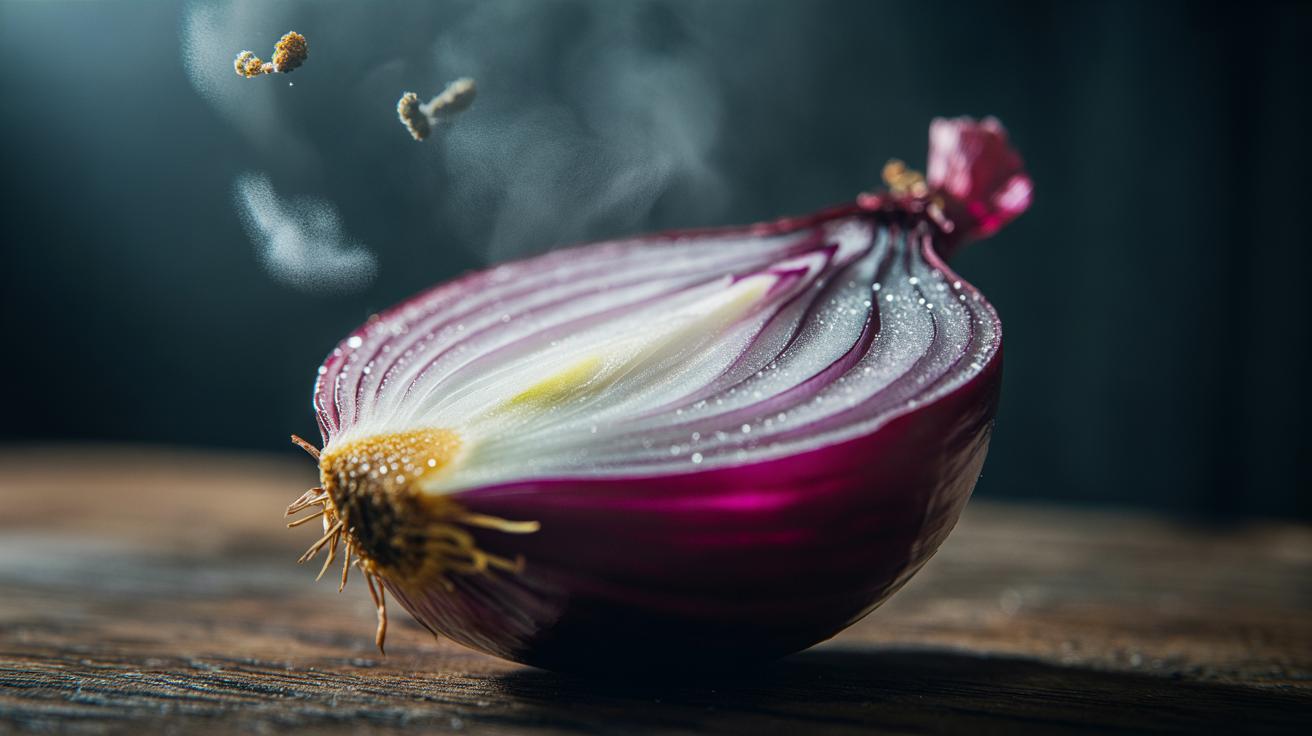
Slice into an onion and you witness a quiet miracle. Concentric rings, glistening with sap, begin the work of sealing themselves, turning a fresh cut into a fortified barrier. Far from a mere kitchen curiosity, this behaviour reveals how layers and chemistry collaborate to protect the plant from rot and invasion. Farmers rely on it at harvest. Food processors design around it. Home cooks benefit from it every day without noticing. A sliced bulb is not defenceless; it rallies. Understanding how onions close wounds helps explain why some bulbs store for months while others succumb to mould in days—and how simple steps can tip the balance toward health.
The Architecture of an Onion: Layers Built for Defence
Onions are engineered in circles. Each ring is a modified leaf scale, stacked tightly around a stem core, wrapped in papery skins. This layering provides redundancy. If one scale is breached, another stands behind it. The outermost dry scales act as a shield; inside, the fleshy scales hold water and nutrients but also the machinery for rapid repair. Structure is strategy in Allium cepa.
At the surface sits a glossy cuticle over the epidermis, a waxy film that sheds water and spores. Beneath, parenchyma cells are packed with pectins—natural gels that can quickly stiffen when calcium bridges form. The onion is a master of self-sealing, because these cell walls can be reorganised within hours. Vascular strands thread the scales, but even these conduits narrow at the neck and base, limiting pathogen spread.
Crucially, onions can lay down extra barriers after injury. Cells along a cut edge deposit suberin and lignin, waxy and woody polymers that turn soft tissue into a cork-like rim. Many species do this, but onions combine it with antimicrobial chemistry unique to the alliums, making the ringed architecture both a physical and biochemical fortress.
From Cut to Seal: The Wound Response in Action
The moment a knife ruptures cells, enzymes meet their substrates. In onions, stored sulfoxides are transformed, generating the familiar tear-inducing vapour and a suite of thiosulfinates. These compounds can suppress bacteria and fungi at the site of injury. At the same time, the plant launches a classic defence programme: a burst of reactive oxygen species (ROS), activation of peroxidases, and a surge in the phenylpropanoid pathway that feeds lignin and phenolic production. Chemistry buys time; structure completes the seal.
Within hours, callose and pectins begin to plug micro-gaps. Over a day or two, cells bordering the wound lay down a wound periderm—layers rich in suberin and lignin. This new corky barrier resists water loss and microbial enzymes. Desiccation helps. As the cut surface dries, it forms a translucent “scab” where gels tighten and airflows harden the edge. The result is a functional gasket that slows infection and preserves the bulb’s reserves. Processors harness this by giving sliced onions time in dry, cool air before packing—an industrial nod to the plant’s own toolkit.
| Stage | Timeframe | Key Barrier | Function |
|---|---|---|---|
| Immediate | Seconds–minutes | Thiosulfinates, ROS | Antimicrobial action; signalling |
| Early | 1–12 hours | Callose, pectin gel | Plugs cell wall gaps; reduces leakage |
| Late | 24–72 hours | Suberin and lignin | Durable, water-resistant seal |
Preventing Disease in the Field and Kitchen
On farms, the aim is to help the onion finish its own repair. That means curing: warm, dry airflow after lifting to dry the outer scales and close the neck. Good curing saves more onions than any spray. It reduces entry points for Botrytis neck rot and slows soft rot bacteria that thrive in wet tissues. Storage then rewards patience—cool, dark, well-ventilated spaces keep respiration low and condensation at bay, letting the wound periderm set hard.
At home, the same logic applies. Leave blemished bulbs to dry; don’t wash onions before storing. If you’ve nicked a bulb, keep the cut surface exposed to clean, moving air for a short while. Dry air is often a better disinfectant than water for a fresh cut. For prepped onions, refrigeration in a sealed container slows microbes but also traps moisture, so a brief air-dry before chilling helps.
Handling matters too. Avoid crushing the neck, where tightly packed tissues are slowest to seal. Trim foliage cleanly during harvest. In markets and lorries, ventilation prevents sweat, which would rehydrate cuts and feed pathogens. Each small step gives the onion’s own barriers—cuticle, gels, and corky periderm—the conditions they need to work.
What Scientists Are Learning and Why It Matters
The onion has become a model for plant barrier research because its transparent epidermis is easy to study. Microscopy reveals how peroxidases knit phenolics into lignin and how fatty-acid pathways assemble suberin lamellae. Gene-expression studies highlight switches in enzymes like PAL, 4CL, and LACS that redirect metabolism from growth to defence. The chemistry of onion thiosulfinates is also under the lens, teasing apart which molecules most affect storage rots.
In industry, this science translates into gentler processing lines and smarter packaging. Some producers pre-treat slices with brief warm, dry air to accelerate sealing without cooking. Others apply edible coatings that mimic the natural cuticle, slowing moisture loss while keeping surfaces unfriendly to microbes. Breeders, meanwhile, select for bulbs that cure quickly and form robust wound periderms, delivering longer shelf life without heavy fungicide use.
The lessons extend beyond onions. Periderm formation is common in roots, tubers, and fruits. By understanding how layers cooperate—from pectin gels to suberin walls—we can design storage systems and crop strategies that work with plant biology, not against it. Resilience often lies in the quiet details of cell walls—details onions display with uncommon clarity.
Our kitchen staple is also a case study in elegant defence: layers that heal, chemistry that deters, and a choreography that turns a vulnerable cut into a solid seal. For growers and cooks alike, the message is practical—create space and time for that seal to form, and the bulb does the rest. The next time you slice an onion and feel the sting, consider the invisible labour unfolding at the edge of the knife. What other humble ingredients might hold equally instructive lessons about how living materials protect themselves—and how we can help them do it better?
Did you like it?4.5/5 (29)