In a nutshell
- 🍋 The science: citric acid dissolves calcium carbonate by donating H+ (releasing CO₂ and water) and uses chelation to trap Ca²⁺/Mg²⁺, preventing re-deposition for fast clarity.
- 🧽 Quick method: apply lemon juice, allow dwell time (30–90 seconds), lightly agitate with microfiber, then rinse and dry to avoid new spots; never mix with bleach or ammonia.
- ⚖️ Choices: lemon vs vinegar—lemon is typically faster on dense limescale and clings better, while stronger acids work quickest but carry greater etch and corrosion risks.
- ⚠️ Safety first: protect surface compatibility—avoid natural stone and cementitious grout, test coated/tinted glass, wear gloves, and keep acids off waxed car paint; prefer plastic scrapers over razors.
- 🔁 Prevention & tips: daily squeegee, deionised water pre-rinse, and hydrophobic coatings reduce hard water spotting; warm juice and draped microfibers improve maintenance results on vertical glass.
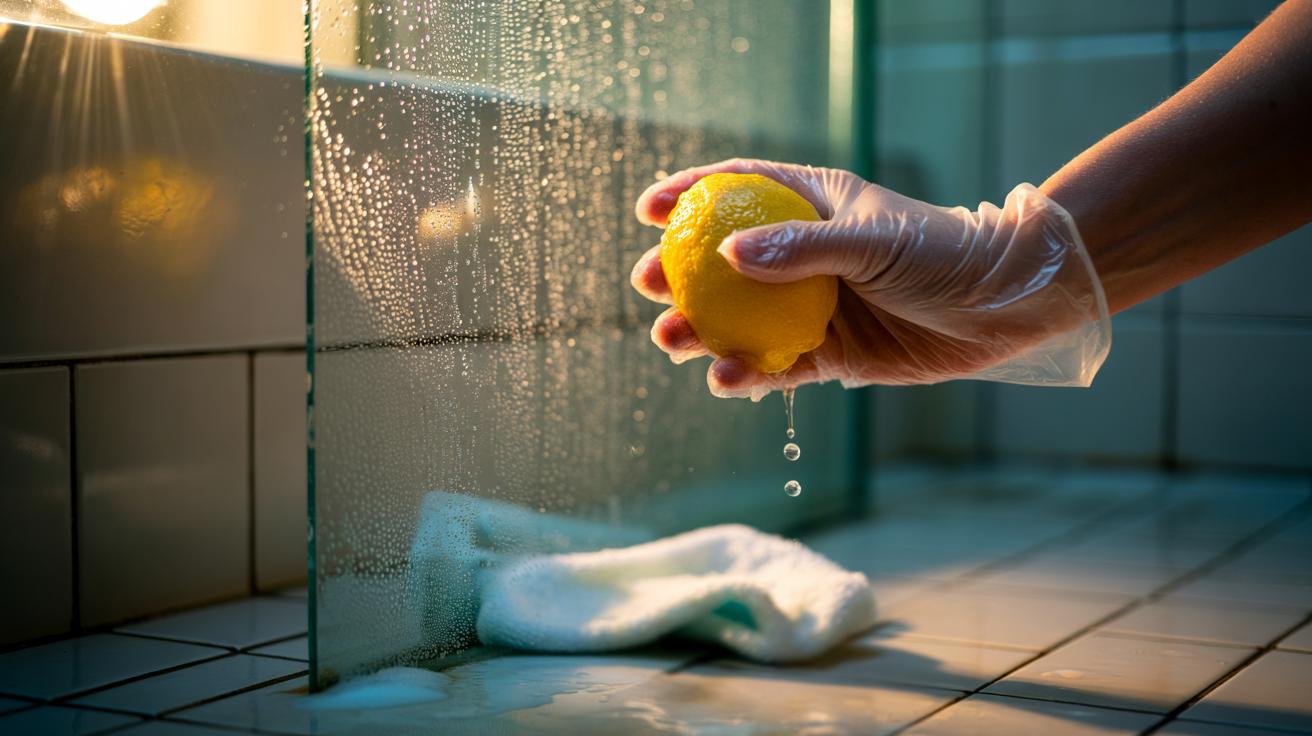
Water marks on shower doors and car windows can feel permanent, a chalky reminder of every splash. Then a lemon slices through. Squeeze, swipe, watch the haze melt. The reason isn’t magic; it’s chemistry. The fruit’s citric acid attacks stubborn mineral deposits left by hard water, breaking them apart fast and safely. Home cooks know lemon for flavour and freshness. Cleaners prize it for a different talent. A mild acid can outperform harsh chemicals when the stain is alkaline-based like limescale. With a few careful steps and a soft cloth, glass transforms from cloudy to crystalline in seconds.
The Chemistry: How Citric Acid Dissolves Mineral Film
Hard water leaves behind a thin crust of calcium carbonate and magnesium carbonate. This is classic limescale. Citric acid tackles both sides of the problem. First, its acidity donates H+ ions that convert carbonate into carbon dioxide and water. That’s the gentle fizz you sometimes see. Second, citric acid is a superb chelator. It wraps around freed Ca²+ and Mg²+ ions, stopping them from re-precipitating onto the glass. The pH drop accelerates dissolution; the chelation locks the result.
In simple terms, a lemon breaks the mineral matrix and then keeps it in solution. That dual action explains the speed. If the deposit is alkaline and carbonate-based, a weak organic acid often wins in seconds. Compared with some commercial descalers, lemon juice sits in the “gentle yet effective” window. It is less volatile than strong acids, less smelly than some alternatives, and safer on household glass when used properly. Rinse thoroughly afterwards so the dissolved ions and any sticky sugars don’t dry into a new film.
Step-by-Step: Remove Water Spots From Glass in Seconds
Start with fresh lemon juice or bottled juice labeled 100% lemon. For heavier scale, concentrate it rather than diluting. Wipe loose dust first. Then apply juice with a microfiber pad or spray bottle, ensuring a glossy wet layer over the spots. Dwell time matters. Give 30–90 seconds for chemistry to work; re-wet if it dries. Agitate lightly with the cloth in overlapping circles. Stubborn specks? Press a little more, but avoid abrasive pads on coated glass.
Rinse with warm water to carry away the dissolved minerals and acid. Buff dry with a clean microfiber to prevent new droplets from spotting as they evaporate. Do not mix lemon juice with bleach or ammonia-based cleaners. That’s a rule, not a suggestion. On vehicles, it’s effective on side windows and mirrors; keep it off waxed paint and test on any rain-repellent coatings first. For shower doors, a silicone squeegee after daily use slows future buildup, extending the time between deeper cleans.
When Lemon Beats Vinegar—and When It Doesn’t
Both lemon juice and white vinegar are mild, household-friendly acids. But they behave differently on glass. Lemon’s citric acid (a triprotic acid) teams acidity with chelation, often making it faster on dense limescale spots. It also smells fresher and tends to cling slightly, giving better dwell on vertical panels. Vinegar’s acetic acid can match it on light haze, especially warm, but lags on thick carbonate crusts. For heavy kettlescale or shower corners, a thicker, citric-based gel or a soaked paper towel compress can beat a straight spray.
Use the mildest acid that works, and respect sensitive surfaces nearby. Natural stone ledges, lime-based grout, and anodised metals can etch or discolor. Below is a quick comparison to guide choices at a glance:
| Acid Source | Typical pH | Speed on Limescale | Odour/Residue | Surface Risk |
|---|---|---|---|---|
| Lemon (Citric) | ~2.0–2.5 | Fast on spots | Fresh; slight stickiness | Avoid natural stone |
| Vinegar (Acetic) | ~2.4–3.0 | Moderate | Sharp smell | May tarnish soft metals |
| Phosphoric Cleaners | ~1.5–2.0 | Very fast | Low odour | Higher etch risk |
| Hydrochloric Descalers | <1.5 | Extreme | Pungent; corrosive | High damage potential |
Safety, Surface Compatibility, and Expert Tips
Lemon juice is food-safe, but cleaning still demands care. Wear nitrile gloves if you have sensitive skin. Ventilate bathrooms. Keep acids away from marble, travertine, limestone, and cementitious grout; these are calcium-based and will etch. Test on an inconspicuous corner of coated or tinted glass before full application. If a spot resists, re-wet and give time. Chemistry beats force. Do not escalate to razor blades unless you know the panel is uncoated and suitable. A plastic scraper is safer for edge deposits.
Technique matters as much as chemistry. Warm juice works faster than cold. Pre-rinse with deionised water if you have it; fewer ions mean fewer new spots. For vertical doors, soak a microfiber in lemon juice and drape it for two minutes to increase dwell. Rinse thoroughly, then neutralise residues with a quick wipe of plain water and a final dry buff. Maintain with a daily squeegee and occasional glass-safe hydrophobic coating so droplets slide off instead of drying into mineral deposits.
Lemon juice earns its reputation because it’s simple chemistry harnessed by common sense. An accessible acid loosens alkaline scale, chelates the ions, and leaves glass bright. No fumes. No drama. With smart technique and a clear eye for surface risks, your shower door or windscreen glass can go from cloudy to crystal in the time it takes to brew a tea. The gentlest workable method is usually the best method. What will you tackle first: the speckled shower door, the patio table, or those etched circles on your favourite glassware?
Did you like it?4.5/5 (28)