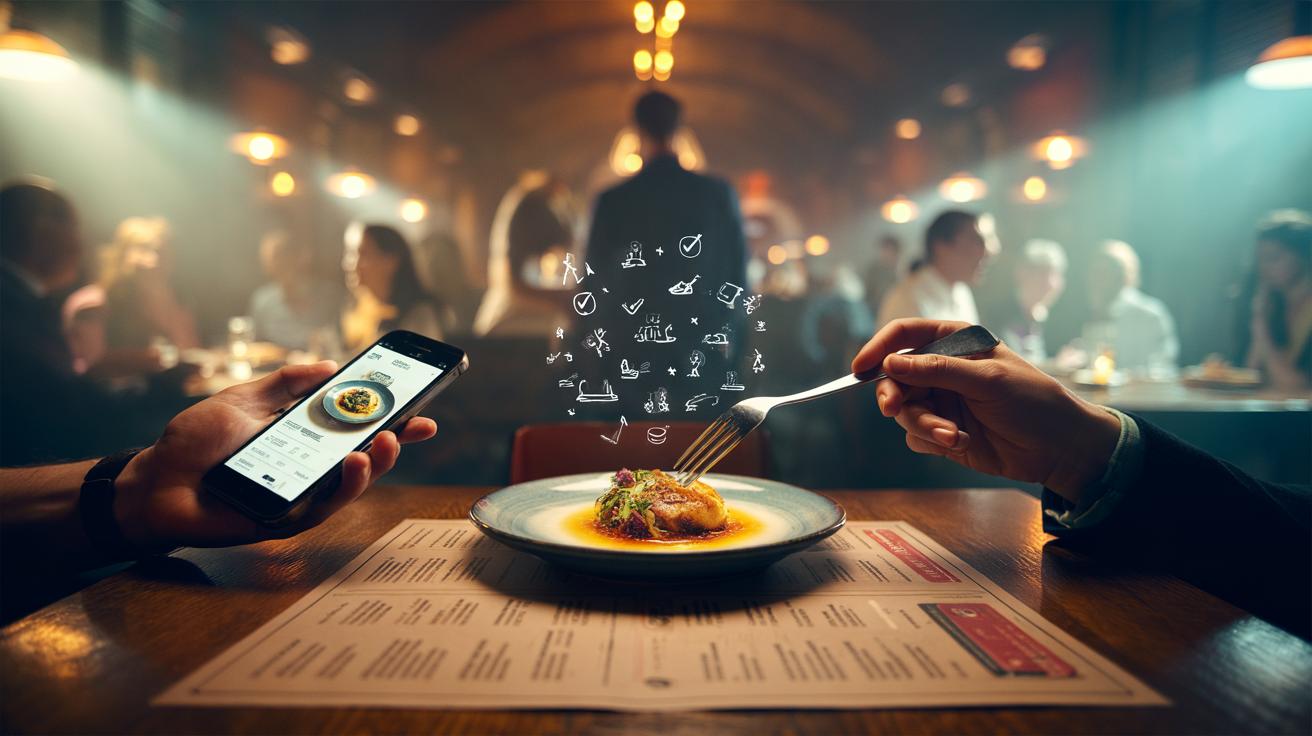
In a nutshell
- 🧠 Dinner choices shift fast via social proof, leveraging descriptive and injunctive norms when we’re hungry, rushed, or uncertain.
- 📊 Real-world cues in UK canteens, pubs, and delivery apps—like “Most ordered today” or “Trending near you”—drive double-digit uplifts, especially when shown early in the journey.
- 🛠️ Powerful design blends timing, trust, and fit: honest, specific labels, scarce endorsements, smart choice architecture, and personalised lines (“Customers like you reordered this”).
- ⚖️ Ethics matter: keep claims verifiable, avoid manipulation and boomerang effects, and use A/B testing to track not just sales but satisfaction and substitutions.
- 🍽️ When credible and tasty, these nudges accelerate healthier and better-value picks without hectoring, with persistence if cues rotate and the dish delivers.
Tonight’s dinner choice may feel personal, but the evidence is blunt: we copy the crowd. When a menu flags what “most people pick,” or an app flashes a “popular now” badge, our forks swing. That’s social proof in action — a fast, heuristic shortcut that thrives when we are hungry, hurried, or overwhelmed by choices. In canteens, pubs, and delivery apps across the UK, subtle cues reshape orders in seconds. The shift is instant, measurable, and surprisingly sticky. Whether you’re trying to eat greener, spend less, or simply decide faster, the right norm signal can tilt the plate before willpower even wakes up.
The Psychology Behind Instant Dinner Swerves
We like to believe our palates are sovereign. They aren’t. Under time pressure and decision fatigue, the brain leans on descriptive norms — what others are doing — and injunctive norms — what others approve of — to cut cognitive cost. That’s the essence of social proof. Menus are perfect terrain because options abound, hunger narrows patience, and prices amplify risk. A small nudge, like a “best-seller” icon next to a plant-forward dish, supplies reassuring evidence that choosing it is safe, tasty, and socially supported.
Two biases conspire here. First, herding: when uncertainty rises, we follow the many. Second, availability: highlights and badges make certain dishes more mentally accessible, which reads as popularity. When a cue reduces doubt and boosts perceived approval simultaneously, decisions flip fast. Crucially, effectiveness hinges on credibility. If the message feels engineered or implausible, people recoil, and the nudge withers into noise.
There’s also the comfort of imagined company. Dining choices carry identity signals — health, thrift, indulgence. Subtle lines such as “Chosen by regulars” let us prioritise belonging over deliberation. The result is not hypnosis; it’s friction removed. Across cafeterias to apps, the same pattern repeats: make the desired behaviour feel normal, and uptake rises.
Evidence From Canteens, Apps, and Pubs
Field tests in British workplaces, universities, and high-street venues report the same directional findings: mark a dish as popular or socially endorsed and orders climb, especially for mid-priced items where doubt lurks. Researchers note that simple, truthful tags — “Most picked this week” — outperform grandiose, vague claims. Delivery platforms echo the pattern: popularity badges and “trending near you” labels steer late-evening orders, when fatigue is highest and scrolling is endless. The earlier the nudge appears in the journey, the stronger the shift.
Where numbers are published, ranges vary by context, but double-digit lifts are common for highlighted dishes, with larger gains when cues align with value or health goals. Canteens see the biggest boosts at bottlenecks — ordering screens, queue boards, line-of-sight shelf talkers. Pubs report fewer menu flips but steadier results when staff reinforce the cue conversationally. In delivery apps, badges help when images are strong and price gaps modest; otherwise, price trumps popularity.
| Setting | Social Proof Cue | Observed Behavioural Shift |
|---|---|---|
| Workplace canteen | “Most ordered today” label at till | Noted rise in highlighted dish orders, especially before 1pm |
| High-street pub | Menu icon: Best-seller | Steady uplift for mid-price mains; staff mention amplifies effect |
| Delivery app | Trending near you badge | Shift towards tagged items late evening; stronger with strong imagery |
Across cases the pattern holds: clear, credible, timely cues shift choices instantly, with persistence over weeks if refreshed to prevent “banner blindness”.
Designing Powerful Social Proof: What Works at the Table
Effective nudges rely on three ingredients: timing, trust, and fit. Timing means placing the cue at choice points — top-of-menu, order screens, the moment a server recaps specials. Trust comes from honest descriptors: “Popular this week among regulars” beats generic hype. Fit asks whether the cue matches diners’ goals; a value-seeking crowd responds to “Most picked for price and portion,” while health-minded guests favour “Most chosen under 600 kcal.” Align the norm with the audience, and the nudge compounds.
Small design tweaks do heavy lifting. Give one or two plant-forward dishes a best-seller tag, not five. Scarcity of endorsement signals authenticity. Pair social proof with choice architecture: put the endorsed item at eye level or in the first third of the category. On apps, attach the badge to the image thumbnail and list card title; avoid burying it in the description. For groups, show what “tables like yours” chose — a powerful mirror that feels personal, not preachy.
Language matters. “Top pick among locals” fosters community; “Customers like you reordered this” signals quality and consistency. Choice architecture beats willpower when hunger bites. Keep it truthful, rotate the tag to prevent fatigue, and ensure the endorsed option delivers. A nudge that leads to a disappointing meal erodes credibility fast, poisoning future cues.
Ethics, Pitfalls, and the Limits of the Herd
Social proof is potent, so ethics are non-negotiable. Claims must be verifiable and not misleading, consistent with UK advertising standards. If “most ordered” is really a narrow time window or a single venue anomaly, say so. Transparency protects trust and keeps helpful nudges from sliding into manipulation. There’s also a distributional question: does the nudge crowd out dietary needs or price-sensitive choices? Add clear alternatives and easy access to full information.
Watch for boomerang effects. If a low-calorie option is tagged “popular” among a niche minority, mainstream diners may tune out or even rebel. Conversely, trumpeting that “few choose the salad” normalises avoidance and depresses uptake. A test-and-learn cadence is essential: A/B trial the message, monitor substitutions, and keep an eye on basket value and satisfaction scores, not just unit sales. The goal is durable habit shift, not one-night spikes.
Finally, remember context. During events or seasonal peaks, people seek indulgence. Social proof aligned to celebration — “Match-day favourite” — may work better than health-led cues. In quieter periods, value or wellness norms shine. The herd helps, but only when it reflects the moment and the crowd. Done well, social proof respects autonomy while easing better choices; done badly, it’s noise that diners learn to ignore.
Social proof doesn’t replace taste; it accelerates decisions when appetite and attention run thin. A small, honest signal can move dinners towards healthier, better-value plates without hectoring or hassle. That’s good for diners, operators, and the planet, provided the message is credible and the meal delivers on promise. The trick is to show what people like us genuinely enjoy — then get out of the way. If you had one line on a menu or app to steer tonight’s choice fairly and fast, what would your social proof message say?
Did you like it?4.5/5 (24)