In a nutshell
- ⚡ Science in brief: Static makes fur cling; an unscented dryer sheet dissipates charge and grabs loose hair, lifting it from coats and upholstery in seconds.
- 🐶 Vet guidance: this is a vet-approved, occasional tactic—use fragrance-free sheets, avoid irritated skin and faces, and prevent post-grooming licking.
- 🛋️ Safe technique: brush first, do a patch test, then apply gentle, single-direction strokes on the coat before sweeping the same sheet over furniture; replace when loaded.
- 🧤 Alternatives: for sensitive pets and fabrics, choose a damp microfibre cloth, rubber grooming mitt, reusable lint brush, or anti-static textile spray (on fabrics only).
- ✅ Outcomes and cautions: expect fast hair removal and less lint-roller fatigue, but stop if you see redness or excessive licking, and prioritise fragrance-free, low-residue options.
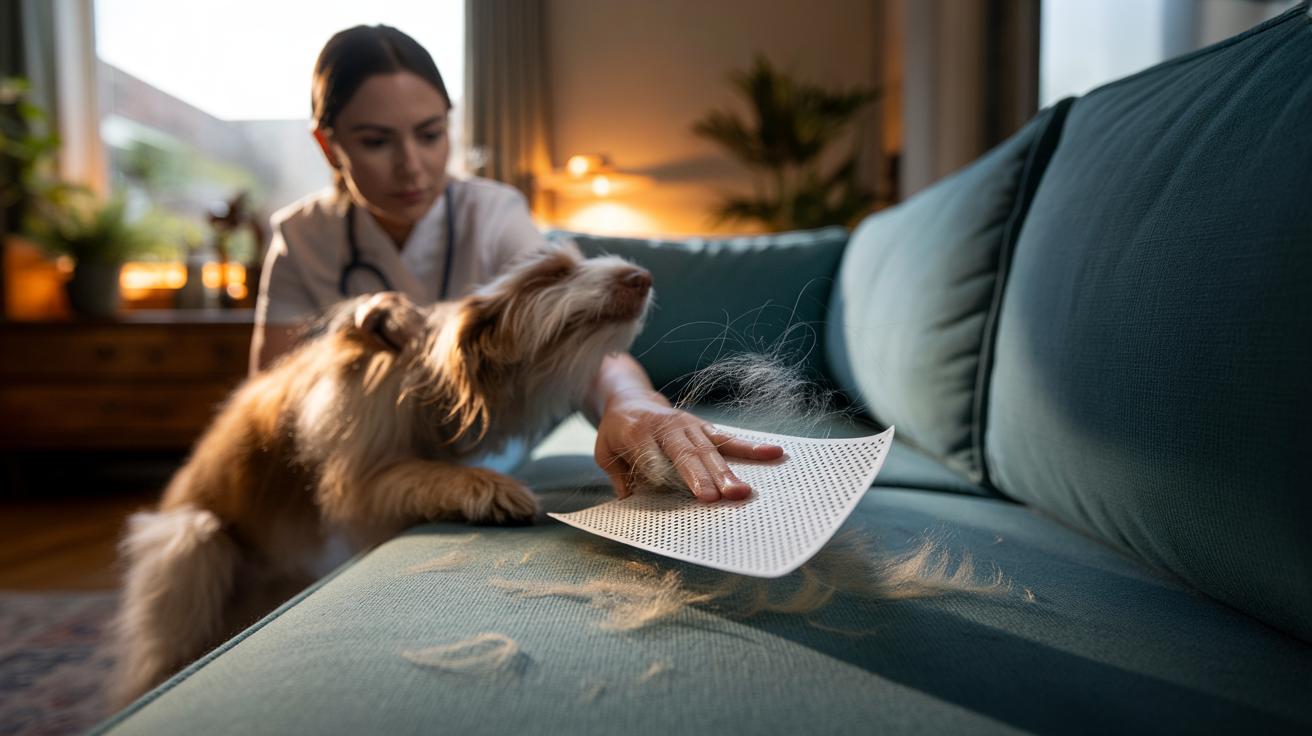
Ask any pet owner in Britain what haunts their upholstery and the answer is instant: shedding season. Some veterinarians now swear by an unfussy trick: rub a dryer sheet across your animal’s coat, then glide it over the sofa, and watch the fluff come away in seconds. It sounds suspiciously simple because it is. Yet simple doesn’t mean careless. Used incorrectly, this hack can irritate skin, stress sensitive pets, or smear residue on fabrics. Here’s what’s happening at a microscopic level, when it makes sense to try it, and the safest way to turn static into your secret ally against tenacious fur.
Why Static Makes Fur Stick to Everything
Pet hair clings thanks to static. Those flyaway strands act like tiny bar magnets, building charges as they rub against carpet, blankets, even your own clothes. The result is a stubborn bond between fibres that resists a standard brush or a quick shake. Enter the dryer sheet. It’s coated with softening agents—often quaternary ammonium compounds—that reduce static by allowing charge to dissipate along the surface. Think of it as de-escalating a feud between fibres. Less charge. Less cling. More hair released in one pass.
There’s a second benefit. The webby texture of a dryer sheet snags loosened pet hair and dander, so you aren’t just moving debris around; you’re capturing it. That’s why pets brushed lightly with a sheet, then furniture wiped immediately afterward, can yield dramatic results. Still, chemistry matters. Scented products often contain perfumes and additional additives that can bother noses and skin—yours and your animal’s. If you try this technique, prioritise unscented, dye-free sheets to limit potential irritation. It’s a clever application of static control, but it isn’t a free-for-all.
What Vets Mean When They Recommend Dryer Sheets
When clinicians endorse this approach, they’re typically describing a controlled, occasional tactic rather than a daily grooming routine. The aim is fast cleanup on a shedding-heavy day, or a quick pass before guests arrive. Their key caveats are consistent: choose fragrance-free sheets, avoid application on broken or inflamed skin, and never allow vigorous licking afterwards. Cats and some small dogs groom obsessively; residue ingested in quantity isn’t ideal. In practice, the vet-approved version is: light contact, short duration, immediate disposal of the sheet.
Context helps. Veterinary nurses often stress environment first—good brushing habits, adequate hydration, and appropriate nutrition all reduce excessive shedding. Dryer sheets come in as a tactical assist. They tame static and speed the collection of loose hair from furniture, car seats, and clothes. Owners with asthmatic family members or sensitive breeds—Sphynx aside—are told to assess tolerance. If your pet squints, licks the air, sneezes, or wriggles away, stop. For fabrics, do a patch test on an inconspicuous area (microfibre and velvet can show smear marks). Used with restraint, the result can be striking: fewer tumbleweeds, less lint-roller fatigue, and a home that looks like you don’t share it with an exuberant collie.
Safe Technique: A Step-By-Step Guide
Preparation is everything. Start with a clean, dry, unscented sheet. Brush your pet briefly to lift already-loose undercoat; this reduces how much the sheet has to do. Wash your hands, then turn the sheet into a loose pad—don’t scrunch it tight. Now, test: stroke once on a small patch along the grain of the fur. Wait ten seconds and watch for flinching or licking. No drama? Continue with gentle, single-direction strokes from shoulders to tail and down the flanks. Avoid the face, ears, genitals, and any irritated skin. One to two minutes is plenty.
Immediately move to the furniture. Using the same sheet, sweep along cushions and armrests. The released hair follows. Static is now your tool, not your enemy. Replace the sheet as soon as it looks loaded; a fresh one grips better than an overworked pad. Finish by rinsing your hands and offering your pet a treat to associate the process with calm. If you notice redness, dandruff flare, or persistent licking, discontinue the method and consult your vet. This technique is about precision, not pressure. Done right, you’ll see visible hair transfer and a faint sense of victory.
Alternatives for Sensitive Pets and Fabrics
Not every animal or textile loves chemistry. Fortunately, there are static-busting alternatives that keep your conscience and your cushions clear. A slightly damp microfibre cloth gathers hair via capillary action, then rinses clean. Rubber grooming mitts pull loose fur while massaging the coat. For clothes, a reusable lint brush or a silicone “fur catcher” in the tumble dryer reduces cling post-wash. Consider anti-static spray made for textiles—never on the pet—if your sofa is particularly shock-prone. And keep humidity up in winter; dry indoor air magnifies static.
To simplify choices, here’s a quick comparison:
| Method | Best Use | Effectiveness | Cost/Impact | Notes |
|---|---|---|---|---|
| Unscented dryer sheet | Quick fur and sofa sweep | High, fast | Low cost, disposable | Avoid on sensitive skin; limit licking |
| Damp microfibre cloth | Furniture, car seats | High, reusable | Low ongoing cost | No chemical residue |
| Rubber grooming mitt | On-pet de-shedding | Moderate to high | One-off purchase | Comforting for many pets |
| Reusable lint brush | Clothing, upholstery | Moderate | Low waste | No scent, travel-friendly |
| Anti-static textile spray | Sofas, curtains (not pets) | Moderate | Low | Patch test first |
When in doubt, choose the method your animal tolerates calmly and that leaves no lingering residue. Clean air, steady grooming, and the right tool often outperform brute-force vacuuming.
Used wisely, the dryer sheet trick offers a journalist’s favourite combination: everyday materials, immediate results, minimal faff. It won’t cure heavy shedding, but it will tame the chaos and reclaim your furniture from the fluff. Prioritise unscented options, keep sessions brief, and listen to your pet’s signals. If it’s not their thing, swap to microfibre or a rubber mitt and never look back. Your sofa, your lungs, and your camera roll will thank you. How will you tailor this static-busting toolkit to your home, your fabrics, and the personality of the animal who rules them both?
Did you like it?4.5/5 (21)