In a nutshell
- 🧠 Skipping the daily 60‑second check curbs loss aversion and recency bias, reducing knee‑jerk trades and costly meddling.
- 💷 The real price of tinkering adds up: commissions, bid–ask spreads, FX fees, SDRT, and CGT, plus a 1–3% annual behaviour gap.
- 📊 Example: on £80,000, a 2% behaviour gap + 1% frictions can cost about £2,400 a year—compounding into thousands saved by doing less.
- 🛡️ Practical fixes: disable alerts, switch to quarterly reviews, write an Investment Policy Statement, automate investing via ISA/SIPP, and add a 48‑hour cooling‑off rule.
- 🛒 Spending discipline: avoiding balance peeks cuts impulse buys; divert pay rises into automated contributions to lift your savings rate.
Financial planners across the UK are sounding a counterintuitive alarm: skip the quick daily money check. That 60-second scroll through your banking or investing app feels responsible. It looks like discipline. Yet advisers say it fuels knee-jerk decisions, needless trades, and a drip-drip of charges that silently erode returns. One small habit can compound into a large, hidden cost. In a year of volatile markets and shrinking tax allowances, the cheapest improvement may be behavioural. Ignore the siren pings, not the plan. Here’s why passing on a one‑minute peek can save you serious money—and how to rewire your routine for stronger results.
The 60-Second Habit That Costs You
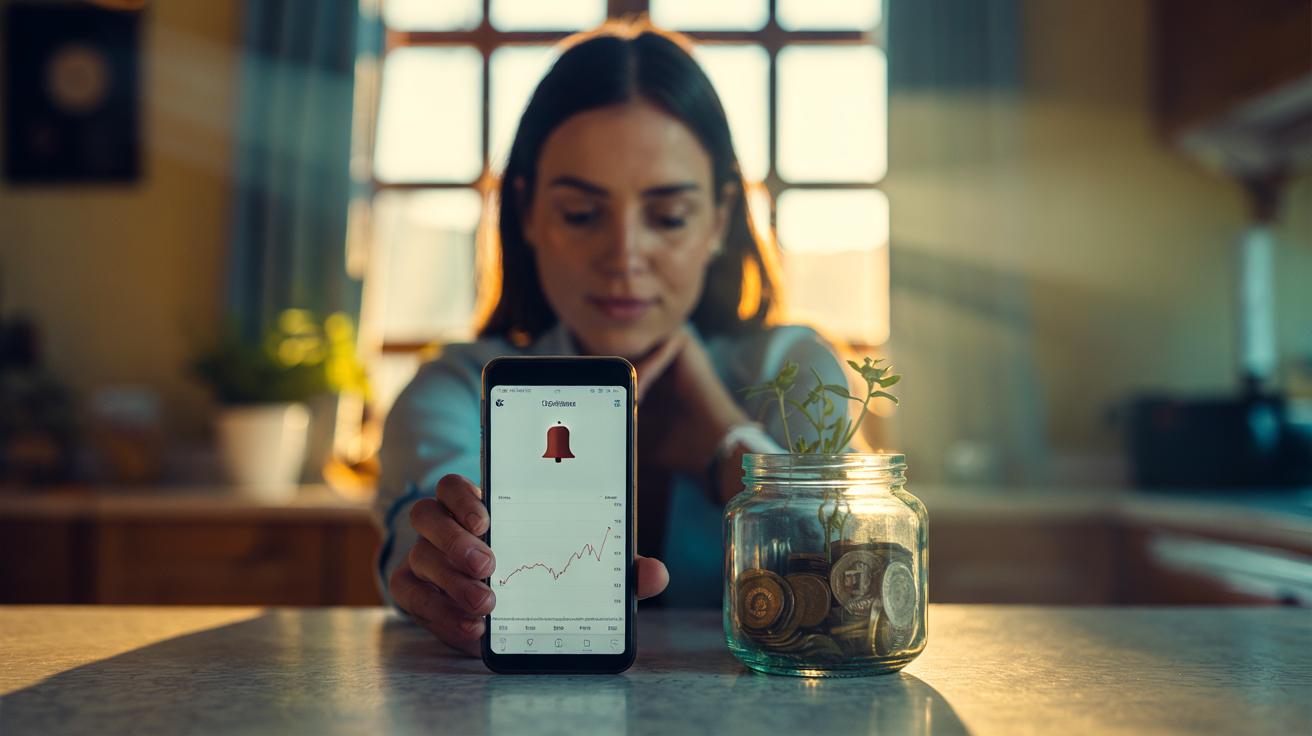
It starts innocently: a quick glance at your balance over morning coffee. Red numbers flash. Your heart rate ticks up. You nudge a stop-loss, sell a winner “to be safe,” or buy whatever’s buzzing on social media. That’s loss aversion and recency bias, two classic traps. Checking takes a minute; the reactions it sparks can last years. The less you watch, the less you meddle—and meddling is expensive. Advisors consistently report that frequent app checks correlate with higher trading frequency, higher costs, and lower net returns.
There’s another sting in the tail. Notifications encourage micro‑trading and constant “optimisation,” turning long-term portfolios into churning machines. Each tweak often triggers bid–ask spreads, platform charges, and taxes you could have avoided inside an ISA or SIPP. For many savers, the daily peek also spills into discretionary spending: see a windfall, buy a gadget. See a dip, chase losses. Both are costly. By skipping the ritual, you reclaim attention, reduce noise, and give your strategy the space it needs to compound.
The Real Price of Tinkering
Small frictions add up. One extra round-trip trade a week may look harmless, but tally the commissions, spreads, and FX fees. On UK shares you’ll typically pay Stamp Duty Reserve Tax (SDRT) at 0.5% when buying. UK-domiciled ETFs usually avoid SDRT, but you still face spreads. Outside tax shelters, crystallised gains risk Capital Gains Tax once you’ve burned through the current £3,000 annual allowance, and frequent selling can forfeit precious losses you might otherwise harvest strategically. Behaviourally, the hit is bigger: the so‑called behaviour gap—the difference between fund returns and investor returns—can run 1–3% per year.
| Cost Source | Typical Range (UK) | When It Bites |
|---|---|---|
| Commission/platform fees | £0–£11 per trade; 0.15–0.45% annually | Each trade; ongoing for custody |
| Bid–ask spread | 0.05–0.50%+ | On every buy and sell |
| FX conversion | 0.25–1.50% | Foreign shares/ETFs |
| SDRT (UK shares) | 0.5% on buys | Buying most UK equities |
| CGT outside ISA/SIPP | 10–20% above allowance | On realised gains |
Each “little” tweak is a toll booth. A weekly fiddle on £50,000 with a 0.30% round‑trip cost is £150 a month in friction before tax—and that excludes timing errors. Cut the triggers and those tolls vanish. That’s real money saved, not theoretical basis points.
How Skipping the Check Saves You Thousands
Here’s the maths. Suppose a £80,000 portfolio suffers a 2% annual behaviour gap due to performance chasing and churn. That’s £1,600 a year gone before fees and taxes. Add 1% in frictions—spreads, commissions, FX—and you’re at £2,400. Over a decade, even without compounding the difference, that’s £24,000. Compounded, the gap widens further. Doing less often delivers more. Advisors report clients who moved from daily checks to quarterly reviews trade less, hold positions longer, and capture fund returns closer to what the factsheet promises.
There’s a spending angle too. The quick peek nudges impulse buys: “Treat yourself; payday looks healthy.” Skip the cue, and you cut discretionary leakage. Ring‑fencing pay rises into automated contributions while ignoring daily balances can easily lift savings rates by several percentage points. For higher‑rate taxpayers, routing increases into a SIPP magnifies the gain via tax relief. Less screen time, fewer dings, more discipline—an elegant equation that turns restraint into thousands saved.
Practical Ways to Break the Scroll
Start with your phone. Disable finance app badges and price alerts. Move trading apps off the home screen. If your platform offers it, switch the default view to long‑term charts, not intraday noise. Set a review calendar: once a quarter for investments; once a month for budgeting. Rules beat willpower on busy days. Write a simple Investment Policy Statement: target allocation, rebalancing bands, and the conditions under which you’ll trade. When markets swing, read the IPS before opening the app.
Automate the good stuff. Use standing orders into your ISA on payday. Turn on auto‑invest into a diversified mix rather than hand‑picking fads. Rebalance on schedule, not on impulse. For taxable accounts, plan disposals around the £3,000 CGT allowance and the £500 dividend allowance to avoid accidental tax bills. Introduce a 48‑hour “cooling‑off” rule before any discretionary trade. If anxiety spikes, redirect it: read one page of your plan, not one page of prices. You’re engineering frictions that protect you from yourself.
Financial advisors aren’t asking you to ignore your money; they’re asking you to ignore the noise that goads you into paying for it. Skip the 60‑second check, and you trim fees, dodge taxes you don’t need to trigger, and sidestep costly timing mistakes. The payoff is quiet, but powerful, and it compounds. A calmer process tends to produce richer outcomes. What change will you make this week—disable a notification, set a review date, or write two lines of your investment rules—to turn one saved minute into long‑term gains?
Did you like it?4.5/5 (26)