In a nutshell
- 🍋 A lemon wedge’s citric acid drops pH, protonates smelly amines, chelates minerals, and refreshes shirts in minutes without masking odour.
- 🧥 Mildew odours persist due to trapped VOCs, sebum films, and biofilms; hard water and softeners worsen it—so the fix is to shift the pH, not just rewash.
- 🧰 Quick method: dilute lemon juice 1:3 with water, dab hotspots for 3–10 minutes, rinse well, then launder at 30–40°C and skip softener for this load.
- ⚠️ Safety first: patch test colours; avoid silk, acetate, leather; never mix with bleach; rinse before sun-drying; consider gloves for sensitive skin.
- 🧼 Keep freshness: use the right detergent, dry garments quickly, avoid softener on synthetics, and run a monthly maintenance acidifier to prevent drum film and odours.
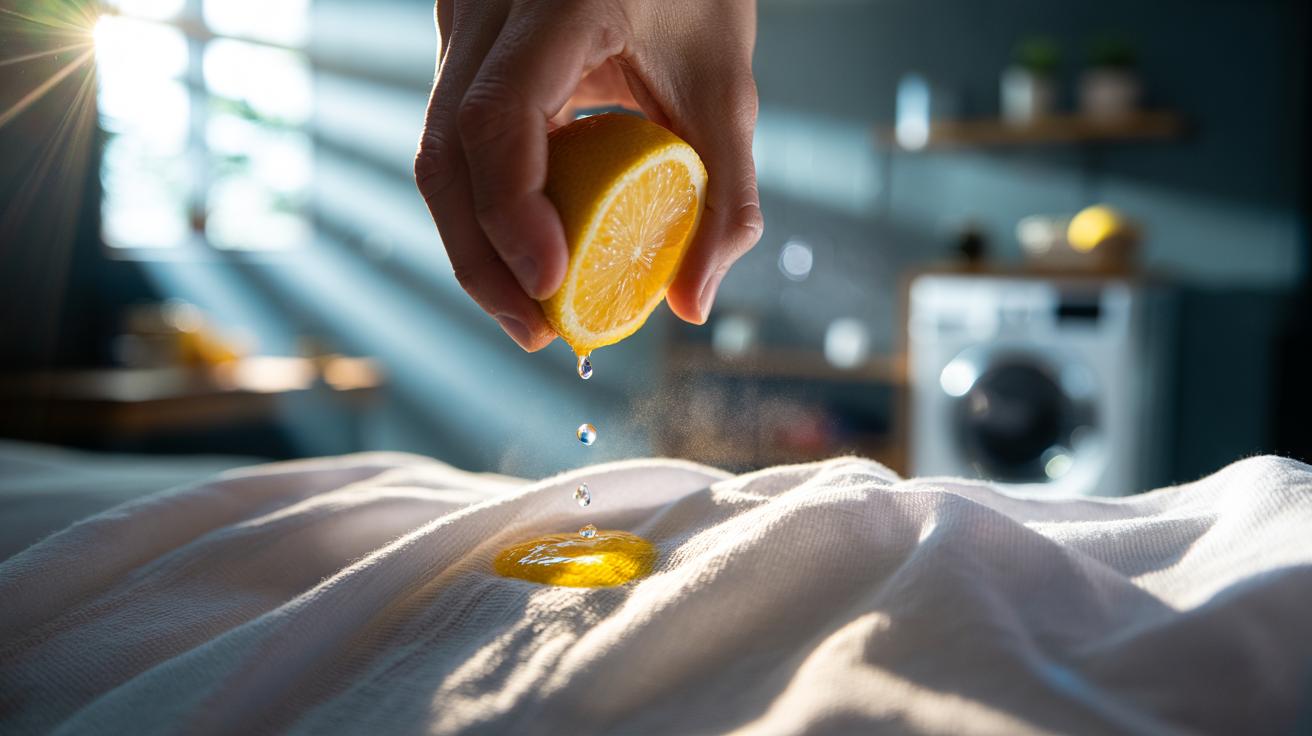
It’s the sort of domestic mystery that can derail a morning: a freshly laundered shirt that still smells faintly of damp cupboards and forgotten gym bags. The culprit is mildew odor, a tenacious mix of microbial byproducts and trapped moisture clinging to fibres. A humble fix sits on the cutting board. A single lemon wedge can reset that smell in minutes. This is not folk magic; it’s chemistry. Citric acid drops pH, unhooks odour compounds, and interrupts the microbial party. Quick, clean, cheap. Below, we unpack why the stink lingers, how a lemon works so fast, and the best way to use it without harming fabric.
Why Mildew Smells Linger in Shirts
Mildew odours persist because textiles are an ideal shelter. Cotton, viscose, and blends teem with microscopic nooks; synthetics trap oils that feed microbes. In damp conditions, microbes produce volatile organic compounds—amines, sulfur notes, earthy geosmin—that bind to fibres and sebum films. Normal detergent sometimes misses them, especially in cool, short cycles. Odour can remain even when stains have vanished. Add a stuffy airing cupboard and you have a perfect incubator. Over time, biofilms form: thin, sticky layers resistant to routine washing, making “clean” shirts smell not-quite-clean the moment they warm against skin.
Chemistry magnifies the problem. Many malodors are alkaline or neutral; they cling more tightly in neutral pH wash liquor and on residue left by fabric softeners. Hard water contributes by precipitating minerals with surfactants, leaving a film that holds smells. When the shirt dries, those molecules volatilise again. That’s why a quick rewash rarely solves it. Shift the pH, disturb the film, and the bond breaks. Enter the lemon: portable acidity, mild enough for most everyday fabrics, potent enough to unseat stubborn molecules in a short contact window.
How Acidity From a Lemon Wedge Works in Minutes
A lemon wedge delivers citric acid at roughly pH 2, a sharp shift that changes how odour molecules behave. Protonation blunts the basic “fishy” bite of amines and destabilises sulfurous notes. Acidity also helps dismantle the thin biofilm that protects microbial residues, allowing trapped volatiles to rinse away. Citric acid chelates metal ions from hard water, improving rinsing. There’s a fragrance assist too: lemon oils contribute a clean top note, but the heavy lifting is chemical, not cosmetic. Lower the pH, release the smell, reset the fabric. That’s why results show up fast—often within five to ten minutes.
Speed matters. Short, targeted treatment limits colour risk while delivering impact to armpits, collars, and damp-prone hemlines. Unlike bleach, citric acid doesn’t oxidise dyes aggressively. Unlike baking soda, it doesn’t leave alkaline residue that can invite more microbial growth later. The trick is control: fresh juice, diluted to temper bite, brief contact, thorough rinse. Follow with normal laundering and proper drying. You’re not perfuming the problem; you’re disarming it at the molecular level, then washing the fragments away before they resettle.
Quick Lemon Wedge Method and Key Settings
Think “surgical strike,” not soak. Work on clean, damp fabric for best diffusion. Always test the inside hem for colourfastness before treating a visible area. Mix fresh lemon juice with cool water—roughly 1:3—to create a mild but effective solution. Dab, don’t drench. Focus on high-odour zones, massage gently, wait a few minutes, then rinse thoroughly and launder as usual. Sun-dry only after rinsing the lemon out, to avoid photo-yellowing on delicate colours. The whole operation takes less time than a kettle boil, yet often erases smells a full wash failed to shift.
| Action | Amount/Setting | Contact Time | Notes |
|---|---|---|---|
| Spot treatment (juice:water) | 1:3, fresh squeezed | 3–10 minutes | Patch test coloured items |
| Full underarm panel dab | 2–3 tsp solution | 5 minutes | Massage lightly into weave |
| Rinse before wash | Cool running water | 30–60 seconds | Flush oils and acids |
| Launder | Standard cycle, 30–40°C | Per label | Skip softener this load |
Pro tip: If the smell is entrenched, repeat once rather than extending the first contact beyond ten minutes. For whites, a slightly stronger mix is fine; for dark indigo or reactive-dyed garments, keep dilution gentle. Never mix lemon with chlorine bleach—dangerous gases can form. Finish with a brisk spin and fast drying to stop the cycle from restarting.
Safety, Fabric Care, and When Not to Use Lemon
Citric acid is mild, but fabrics vary. Avoid raw lemon on silk, acetate, leather, or “dry clean only” pieces; acids can spot or weaken finishes. On wool, brief diluted contact may be acceptable, but be cautious and test first. If a shirt’s dye has bled before, treat only the inside seams and observe. Metallic trims, untreated wood buttons, and some natural-dye prints can react unpredictably. When in doubt, patch test and shorten contact time. Skin-wise, citrus can irritate; wear gloves if you have cuts or eczema. Rinse hands and fabric thoroughly after treatment.
Timing and light matter. Lemon residue left on fabric in bright sun can cause mild yellowing or fade marks, especially on pastels. Rinse, then dry. If the odour signals deeper issues—black spotting, brittle fibres, or a machine that smells swampy—pause the lemon and address the source. Run a hot maintenance wash, clear the detergent drawer, and leave the door open post-cycle. Citric acid is an excellent tactical fix; it is not a substitute for good laundry hygiene. Use acidity strategically, not indiscriminately.
Keeping Shirts Fresh After the Rescue
Prevention undercuts the need for heroics. Hang damp gym kits separately; don’t stuff them in the wash basket under a towel. Use enough detergent for your water hardness. Skip fabric softener on performance synthetics—it clogs fibres and traps smells. Once a month, add a maintenance acidifier to an empty wash (a commercial descaler or diluted citric acid) to keep the drum film-free. Dry shirts quickly: line, airy room, or a tumble on low. Store wardrobes with space between hangers so air can circulate. A cedar block helps; so does common sense.
When odour creeps back, act fast. A targeted lemon dab beats a full rewashing. For heavily used activewear, rotate two shirts so each fully dries before rewear. Consider an enzyme detergent for protein-rich sweat soils, then finish with a quick acid rinse (separate step) if water is hard. The formula is simple: remove soils, reset pH, dry promptly. Do that consistently, and “laundry smell” stops being a character flaw in your favourite shirt.
In a world of pricey deodorisers and laboured routines, the lemon wedge is a pointed rebuttal: small, inexpensive, scientifically sound. It knocks odours loose, restores fabric feel, and buys time on busy mornings. You’ll still need to mind washing habits and airflow, but the chemistry is on your side. Acidity refreshes in minutes, without perfume or theatrics. Next laundry day, will you reach for the fruit bowl first—or stick with the status quo and keep chasing that ghostly whiff?
Did you like it?4.3/5 (23)