In a nutshell
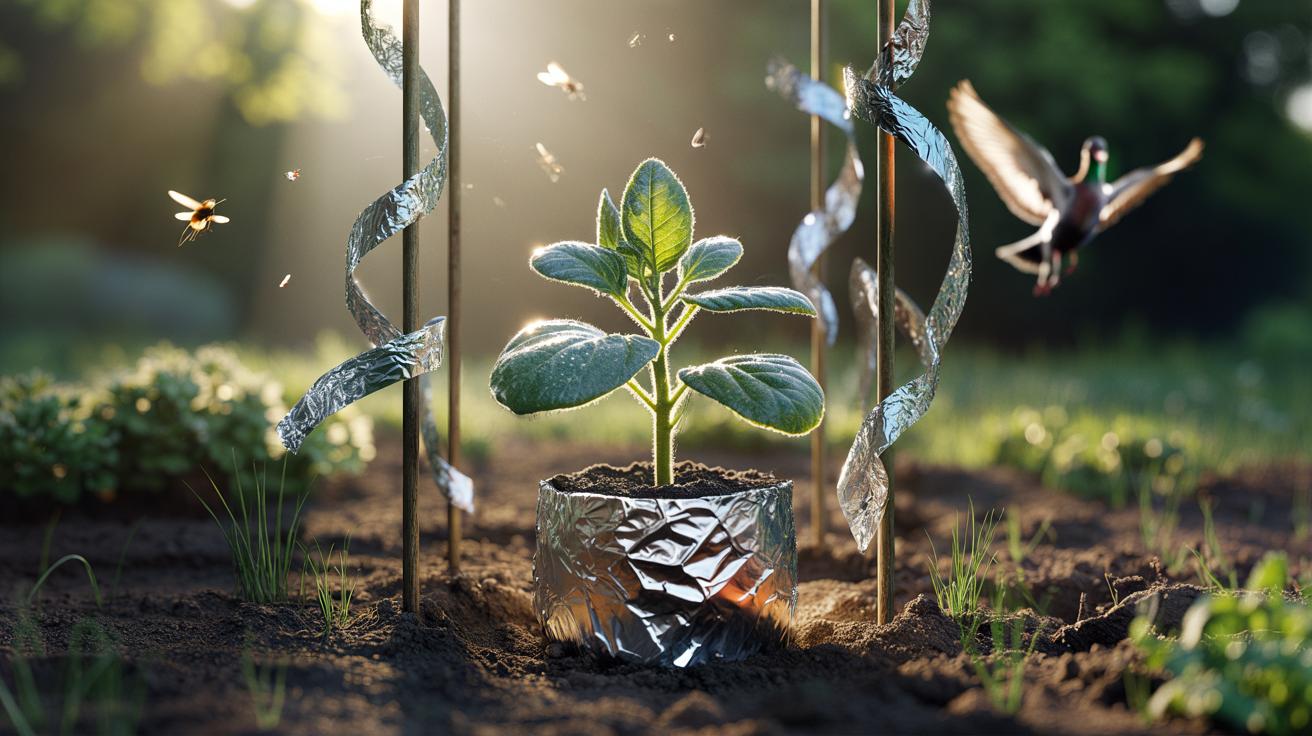
- 🌟 Aluminium foil works by creating unpredictable glare that scrambles insect host-finding cues, repelling aphids, whiteflies, and thrips, while flashing light startles birds away from tender seedlings.
- 🛠️ Practical setups include foil collars to block cutworms, shiny strips around plant bases, and twisting streamers above rows; wider reflective bands between rows form effective “no-landing zones.”
- 🌤️ Benefits go beyond deterrence: reflective mulch stabilises surface temperatures and bounces light under leaves, but requires steady watering and should not be wrapped tightly around stems; it’s unreliable against slugs.
- ♻️ Prioritise reuse and safety—clean and reapply foil, fold sharp edges, anchor securely, and remove pieces before cultivation; purpose-made reflective films are alternatives if disposal is managed responsibly.
- 🧩 For best results, use foil as part of an integrated toolkit with sticky cards, companion planting, and timely removal after the vulnerable stage to protect key crops without heavy chemicals.
In allotments and back gardens across Britain, a surprisingly effective deterrent is hiding in plain sight: aluminium foil. When strategically placed, its mirror-like surface scrambles the visual cues insects and birds rely on, buying tender seedlings precious time to establish. Gardeners report fewer aphids on brassicas, whiteflies kept at bay on tomatoes, and cutworm damage sharply reduced. The trick is simple. The science is solid. And the materials are already in your kitchen drawer. Used intelligently, reflective surfaces interrupt pest behaviour without sprays, residue, or complex kit. Below, a practical guide to how it works, where to use it, and what to watch for so your young plants stay one step ahead.
How Reflective Surfaces Repel Unwanted Pests
Many soft-bodied insects use light contrast and polarisation to locate hosts. Throw that signal into chaos and landings plummet. Reflective glare from aluminium foil acts like visual static, disorienting aphids, whiteflies, and thrips before they settle. By bouncing light into the underside of leaves, foil reduces the silhouette insects key on and turns a steady target into a shimmering, shifting field. For virus-carrying pests that taste-and-go, cutting early landings can drastically reduce transmission. Birds, too, dislike unpredictable flashes. As a breeze moves strips or collars, the bright flicker feels like a looming threat, nudging them to feed elsewhere.
There’s a microclimate effect as well. Reflective mulch keeps surface temperatures steadier than dark plastics, limiting heat spikes that stress seedlings. Light redirected upwards can promote stockier growth in low-sun months. The catch? Intense summer sun can overload leaf tissues if watering is poor. Water consistently, and avoid wrapping foil tight against stems where heat and moisture can concentrate. Think of foil as a temporary shield: sharp, mobile light that makes a seedling patch hard to read for predators and sap-suckers, yet still breathable and bright for young plants.
Simple Aluminium Foil Setups for Seedling Protection
Start with collars. Cut 5–7 cm tall bands from thicker kitchen foil, overlap the ends, and form a loose ring around each seedling with 1–2 cm clearance. Press the collar 1–2 cm into the soil. This physical barrier deters cutworms that would otherwise girdle stems at night. For flying pests, lay narrow strips of foil (shiny side up) around the plant base like petals, leaving gaps for water infiltration. The aim is to create moving, unpredictable reflections, not an impermeable cap. Punch a few holes in each strip to prevent water pooling and to anchor with wire pins or small stones.
For beds or rows, weave foil onto strings between canes so it twists in the breeze above your seedlings. The flicker discourages pigeons and blackbirds that probe soft soil after rain. Where whiteflies and aphids are the main threat, a broader reflective band—20–30 cm wide—between rows acts like a no-landing zone. Keep foliage from shading the foil; trim or reposition as plants grow. And remember limits: slugs are not reliably deterred by aluminium. Pair foil with copper tape, beer traps, or hand-picking in damp weather. Replace torn pieces promptly so you don’t litter the plot.
Risk Management, Sustainability, and Good Garden Practice
Foil works best as a short, targeted intervention. Clean and reuse sheets whenever possible; thicker, catering-grade foil resists tearing and flapping. Avoid greasy or salted kitchen scraps—those attract pests you don’t want. Collect every piece before soil cultivation to prevent metal fragments lingering in your beds. If you prefer a purpose-made option, silver polyethylene or biodegradable reflective films offer durability, but check disposal requirements. Birds and hedgehogs should never become entangled: fold sharp edges, anchor securely, and keep hanging streamers short.
Balance is key. Reflective glare can briefly unsettle beneficials. Place foil low and localised, lifting it once plants outgrow their most vulnerable stage. On scorching days, reduce coverage to avoid oversaturating foliage with light; normal watering and a small air gap around stems protect against stress. When mixing methods, layer gently: a few foil collars, sticky cards for monitoring, and companion planting (marigolds, dill) can reduce pressure without blanketing everything in silver. Think of reflective mulch as part of an integrated toolkit, not a silver bullet. Used thoughtfully, it protects seedlings while keeping the garden tidy, wildlife-friendly, and chemical-light.
Quick Reference: Targets and Tactics
Use the guide below to match pest pressures with practical foil placements. It summarises what gardeners report most often, alongside field-trial insights from reflective mulches in commercial horticulture.
| Pest/Problem | Disrupted Cue | Foil Placement | Notes |
|---|---|---|---|
| Aphids, whiteflies, thrips | Host contrast and polarised light | Strips or bands around seedlings; 20–30 cm reflective lanes between rows | Best early in season; reduces landings and virus spread |
| Pigeons, blackbirds | Startle response to flash/flicker | Twisting streamers on canes, low over beds | Anchor well; shorten in high winds |
| Cutworms | Physical access to stem | Soil-inserted foil collars with 1–2 cm gap | Combine with night checks if pressure is high |
| Slugs and snails | N/A | Not reliable with aluminium | Use copper barriers, traps, hand-picking |
Prioritise precision: protect clusters most at risk—brassica plugs, cucurbits, young salads—then remove or reduce coverage as canopies close. A little shine goes a long way, particularly before natural enemies build up in late spring.
The humble sheet of aluminium foil won’t replace good soil, vigilant watering, or timing your sowings, but it adds a nimble layer of defence when seedlings are tender and pests are opportunistic. Flash, shimmer, and a simple collar can interrupt the daily rhythm of sap-suckers and stem-biters without drifting residues or complicated kit. Used for a few decisive weeks, reflective surfaces can tip the balance in your favour. As you plan your next round of plantings, where could a little well-placed shine help your smallest crops make it to sturdiness—and what other household materials might you repurpose for resilient, low-impact protection?
Did you like it?4.6/5 (26)