In a nutshell
- 🌿 Calcium fortifies cell walls and membranes, rescuing wilt by stabilising new growth; an overnight eggshell brew delivers a quick, usable dose for mildly deficient plants.
- 🥚 Step‑by‑step Eggshell Tea: rinse, sanitise, dry, grind; steep 1–2 tsp in 500 ml boiled water for 8–12 hours, strain, and water at the base; avoid acid lovers.
- 🔎 Diagnosis first: puckered new leaves, necrotic specks, and wet compost with wilt suggest calcium issues; high ammonium/potassium can hinder uptake—log dose and response.
- 🇬🇧 UK‑smart use: soft‑water areas benefit most; hard water may already supply calcium. Rotate feeds and monitor pH, especially with peat‑free mixes that can bind calcium.
- ♻️ Sustainable and practical: turn kitchen waste into plant support, skip slug‑barrier myths, and pair calcium with magnesium/potassium—ideal for tomatoes and peppers during fruit set.
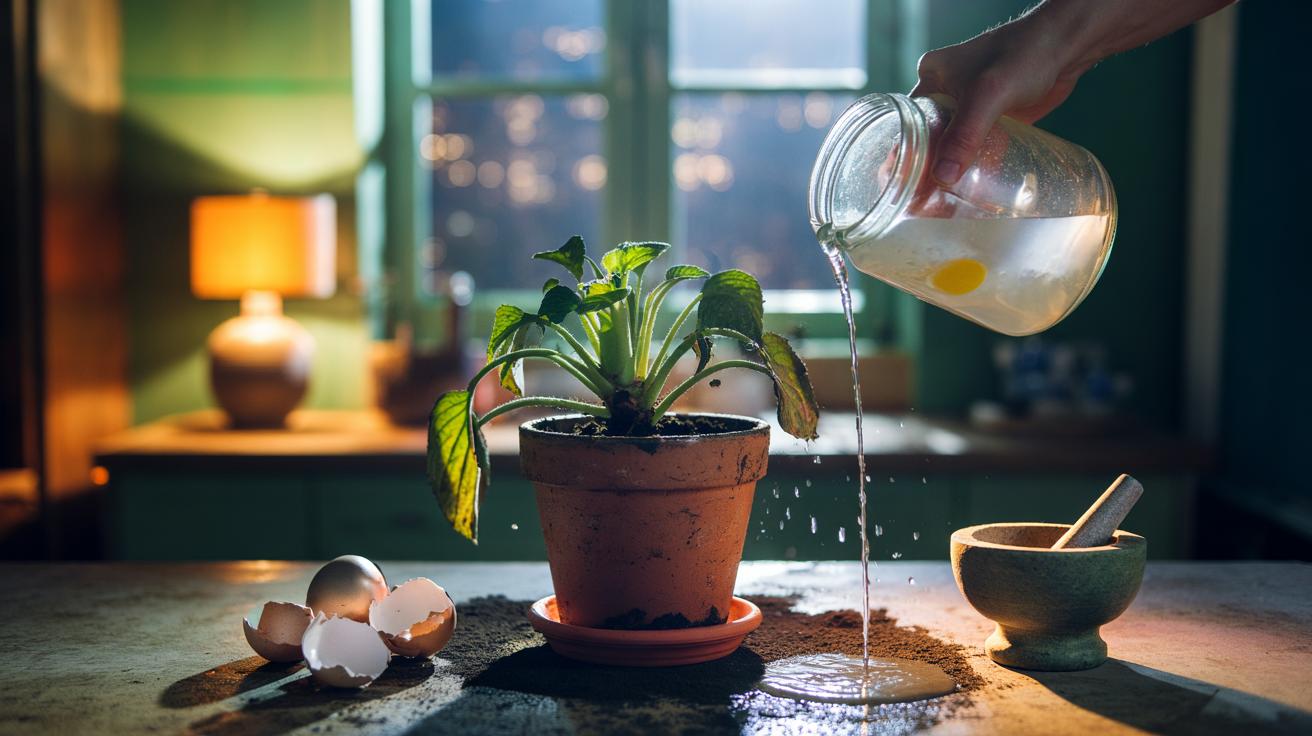
Houseplant slumping at 5pm, perking back by breakfast? The quickest fix is often water, yet a quiet hero can turn that bounce into lasting strength: calcium from humble eggshells. When leaves crumple or new tips twist, the issue may be structural, not just thirst. Calcium literally knits plant tissues together, and a fast infusion brewed from kitchen scraps can restore balance while you sleep. In UK homes where peat‑free compost and container growing are common, deficiencies creep in unnoticed. With a rinsed shell, a kettle, and a jar, you can prepare an overnight eggshell tea that steadies cells, supports roots, and nudges wilting plants back to form without synthetic additives.
The Science Behind Calcium’s Overnight Effect
Plants bank on calcium to build robust cell walls and to stabilise membranes. It cross‑links pectins in the middle lamella—the “glue” between cells—so leaves hold shape under stress. It also moderates ion balance, aiding stomatal control and water regulation. Calcium deficiency shows first in new growth because calcium moves poorly within plants; symptoms include distorted tips, necrotic edges, and the classic blossom end rot in tomatoes. Water alone can lift turgor temporarily, but without calcium those cells sag again under heat or wind.
Why eggshells? They’re ~95% calcium carbonate. Left whole in soil, release is slow. But when shells are heat‑sanitised, crushed to a fine powder, then steeped in hot water, they shed a small but usable pool of ionic calcium. That brew, applied to the root zone, can stiffen flagging tissues and improve resilience by morning on mildly deficient plants. It won’t cure chronic nutrient imbalance overnight, yet it often provides a timely structural nudge that hydrates and fortifies rather than simply masking stress.
Overnight Eggshell Rescue: Step‑By‑Step
Rinse two clean eggshells, then simmer for 5 minutes to sanitise and remove albumen. Dry them in a low oven, crush in a bag, and grind to powder with a rolling pin or blender. The smaller the particle, the faster the release. Add 1–2 teaspoons of powder to 500 ml freshly boiled water in a jar. Seal, shake, and let it stand 8–12 hours. Strain. Water at the base of a medium houseplant or split across seedlings. Do not splash on leaves of sensitive species. For pots over 20 cm wide, use up to 1 litre spread evenly.
If time is tighter, briefly simmer the powder 10 minutes, cool, and apply once lukewarm. Repeat no more than weekly until vigour returns. Avoid this treatment for acid lovers—blueberries, camellias, azaleas—since excess carbonate lifts pH. In hard‑water regions of the UK, tap water already carries calcium; container crops in soft‑water areas benefit most. Always pair the rescue with consistent watering and balanced feed so calcium can knit into growing tissue rather than simply wash through.
| Method | Prep Time | Use Case |
|---|---|---|
| Eggshell Tea (hot steep) | 10 min + 8–12 h | Overnight lift for mild deficiency |
| Fine Powder mixed into compost | 15 min | Slow, steady calcium in containers |
| Simmered Brew (quick) | 20–30 min | Same day watering, faster release |
Diagnose Calcium Deficiency, Not Just Drought
How do you know it’s not simple thirst? Start at the tips. New leaves that emerge puckered, with pale, crinkled margins or tiny dead specks, point to calcium shortage. Mature leaves that wilt evenly, then recover after a soak, signal water mismanagement instead. Check flowers and fruit on edibles: sunken, leathery ends scream calcium immobility. In leafy ornamentals, look for brittle shoots, weak petioles, and roots that appear stubby rather than exploratory.
Now test the media. Push a finger 3–4 cm into the pot. If compost is wet yet the top growth crumples, suspect nutrients rather than drought. Peat‑free mixes rich in bark can bind calcium during early breakdown; heavy fertiliser regimes high in ammonium or potassium may also hinder uptake. Calcium is taken up with transpiration, so stagnant air or overwatering that suffocates roots reduces flow. Correct airflow, water sensibly, then trial an eggshell tea. Keep notes: date, dose, response by next morning and after 72 hours. Patterns reveal the real culprit more reliably than guesswork.
Smart, Sustainable Use in UK Homes and Gardens
Eggshells turn breakfast waste into plant insurance. That’s circular, cheap, and local. Many UK households run soft tap water while growing in containers on balconies or patios; add warm weather and sporadic feeding, and calcium dips quickly. Yet in chalky districts with very hard water, shells may be overkill. The trick is targeted use. Rotate feeds: one week balanced fertiliser, the next an eggshell brew, then a clear water flush. Measure pH periodically if you apply shells regularly, especially in small pots where shifts happen fast.
Composting shells is fine for long‑term soil health, but for urgent rescues the overnight tea wins. Forget the old slug‑barrier myth; jagged rings don’t stop determined molluscs. Instead, invest in better drainage, airflow, and consistent watering schedules. Pair calcium with magnesium and potassium in your general regime so leaves photosynthesise efficiently on the stronger scaffold calcium builds. For tomatoes, peppers, and courgettes, a weekly light application during early fruit set prevents sudden collapses and cuts losses in changeable British summers.
Eggshells won’t perform miracles, but when plants are flagging and new growth looks flimsy, they deliver a swift, structural assist that plain water can’t. Used judiciously, they stabilise cell walls, temper stress, and turn last night’s breakfast into today’s plant tonic. Keep an eye on pH, watch the tips, and tailor doses to your local water. What’s your next test—wilting basil on the sill, or container tomatoes on the patio—and how will you record the results so you can fine‑tune your rescue by next week?
Did you like it?4.6/5 (24)