In a nutshell
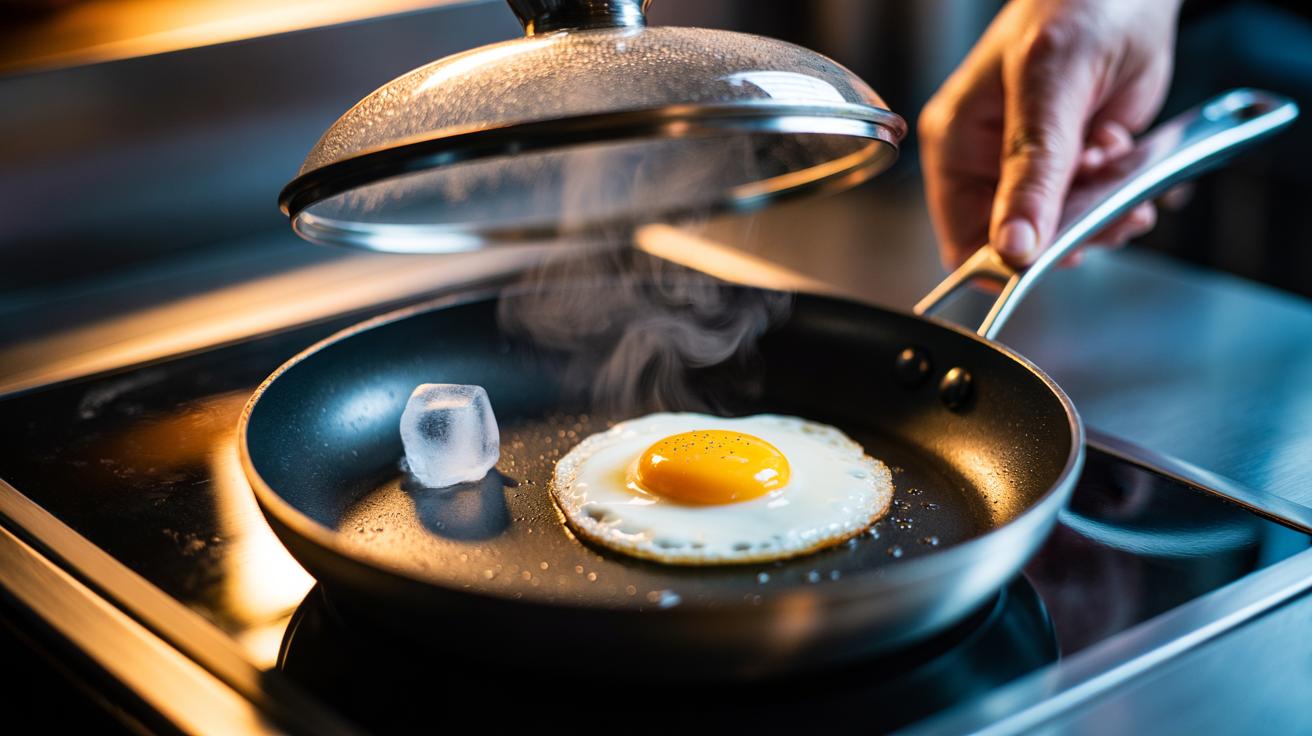
- 🧊 An ice cube in a hot pan generates steam that sets egg whites evenly, harnesses surface tension, and keeps yolks centred for perfectly round fried eggs—no ring needed.
- 🔥 Method: preheat on medium–low with 1–2 tsp fat, crack into a ramekin, slide egg to centre, drop a 10–12g ice cube on the bare side, cover with a tight lid for 45–75 seconds, then season and serve.
- 🍳 Gear and fats: use a small non-stick or seasoned carbon-steel pan and a snug lid; choose butter, oil, or ghee, and rely on heat control to prevent frizzle and spreading.
- 🧪 Variations & fixes: for lacy edges start uncovered, for custardy tops use a slightly larger cube; no ice? add a teaspoon of water; if the yolk clouds, you steamed too long; mind steam safety when lifting the lid.
- 🇬🇧 Serving notes: with UK Lion-stamped eggs you can enjoy runny yolks confidently; the trick yields café-level presentation ideal for muffins, brunch plates, or batch cooking.
It sounds like kitchen folklore, but chefs across Britain swear by a compact, curious hack: an ice cube dropped into the pan to coax fried eggs into perfect circles. The trick looks theatrical, yet it’s rooted in science that even a hurried home cook can exploit. By introducing a measured burst of steam, the white firms evenly, the edges behave, and the yolk sits proud and centred. One cube, one pan, one lid—no metal ring needed. Whether you’re building a breakfast muffin or plating a polished brunch, this method delivers uniform results with zero faff. Here’s how it works, why it works, and how to nail it every single time.
The Science Behind the Ice Cube Trick
When a cold cube hits a hot pan, it flashes into steam. That steam creates a gentle, humid microclimate under the lid, helping the albumen set quickly and evenly. The result is a neater edge and a plumper yolk. Instead of the white sprawling into odd shapes, surface tension and swift coagulation rein it in, encouraging a tidy, circular profile. Think of it as a steam-assisted mould—without the mould. The method also keeps the underside from blistering while the top cooks, eliminating the tug-of-war between crispy brown edges and a raw top.
Contrast that with frying in a dry pan: the outer white runs, heat spreads unevenly, and the yolk may overcook while you chase the last patch of translucence. With targeted condensation, the top cooks through without flipping, protecting the yolk’s gloss. For sandwich builds, uniformity matters; round eggs stack better, eat cleaner, and look pro. Chefs like it because it’s repeatable and quick—ideal on a brunch line. Home cooks love it because it requires no specialist kit, just ice, a lid, and a little attention to heat.
Step-By-Step Method for Perfect Rounds
1) Preheat: Set a small non-stick or well-seasoned carbon-steel pan over medium to medium-low heat. Add 1–2 teaspoons of butter, oil, or ghee. You want a thin, shimmering film. Too hot and the white frizzles before the steam does its job.
2) Stage the egg: Crack into a ramekin for control. Slide gently into the centre of the pan so the white gathers neatly.
3) Add the ice: Drop one small ice cube—roughly 10–12g—onto the bare side of the pan, not onto the egg. Immediately cover with a lid to trap the steam. Do not place the cube on the yolk.
4) Steam-set: Cook 45–75 seconds. The white will turn opaque from the top down, and the yolk will stay bright. For a jammy top, give it an extra 10–15 seconds.
5) Finish: Uncover, season with salt and pepper, slide off with a thin spatula. For a slightly crisper bottom, give the pan 5–10 seconds uncovered at the end.
| Variable | Target | Outcome |
|---|---|---|
| Heat | Medium–low, steady | Even set, no frizzle |
| Ice size | 10–12g cube | Enough steam, no puddle |
| Lid | Tight-fitting | Round, neatly domed white |
| Fat | 1–2 tsp | Non-stick glide, golden base |
Choosing the Right Pan, Fat, and Heat
The pan matters. A small non-stick skillet is forgiving and ideal for single eggs; carbon steel works beautifully once seasoned. Avoid thin, warped pans that create hotspots and lopsided whites. A clear lid helps you watch the set without lifting it, though any snug lid will do. Control the heat and you control the shape. Medium–low is your friend, because steam wants time to work before the fat roars and splatters.
As for fat, butter brings flavour and a gentle browning; oil stays stable at higher heat; ghee splits the difference with a nutty aroma and resilience. Start with a skim—too much and the ice will sputter aggressively on contact. If your fat starts smoking, pause and reduce the heat. Salt the egg just before serving to keep the white tender. A pinch of fine salt, a whisper of pepper, maybe a dusting of paprika or chives, and you’re done. Keep the cube to the side, not under the white, to avoid ragged edges caused by boiling fat.
Variations, Troubleshooting, and Chef Tips
Prefer a crispy lace? Let the egg sit uncovered for 20–30 seconds at the start, then add the ice and lid. For a custardy top, use a slightly larger cube or two mini cubes for a longer steam burst. If your egg spreads, it’s either too much oil or the pan is too cool; cut the fat by half a teaspoon and preheat another minute. If the yolk clouds over, you steamed too long—lift the lid sooner.
Got no ice? A teaspoon of water flicked into the pan, lid on, mimics the effect, though the cube is tidier and more consistent. Silicone rings can help, but the ice trick usually makes them redundant. For batch cooking, crack two eggs and place them side by side in a larger pan, adding a cube to each side of the pan. Chefs also swirl the pan gently at the 30-second mark to coax the white inward—subtle movements only. For safety, angle the lid away from you as you uncover; the steam is hot. UK readers using Lion-stamped eggs can confidently enjoy runny yolks; still, keep eggs chilled and pans clean for best results.
Neat, round, golden at the edges and glossy on top—the ice cube trick earns its reputation because it solves several problems in one move. It’s fast, cheap, and oddly satisfying, and it turns an everyday fry-up into café-level presentation without extra kit. One tiny cube, one calm minute, and breakfast looks editorial. Whether you’re stacking a bacon-and-egg muffin or sliding a fried egg onto garlicky greens, the method scales and adapts to your taste. Will you try the single-cube classic first, or will you tweak the steam time to chase your own perfect yolk?
Did you like it?4.7/5 (23)