In a nutshell
- 💡 Hairdressers swear by a 30-second cold spoon pressed at the roots for instant volume that looks natural and leaves no residue.
- 🧪 The science: rapid cooling resets hydrogen bonds at the root, like a targeted cool shot, setting lift without stiffness.
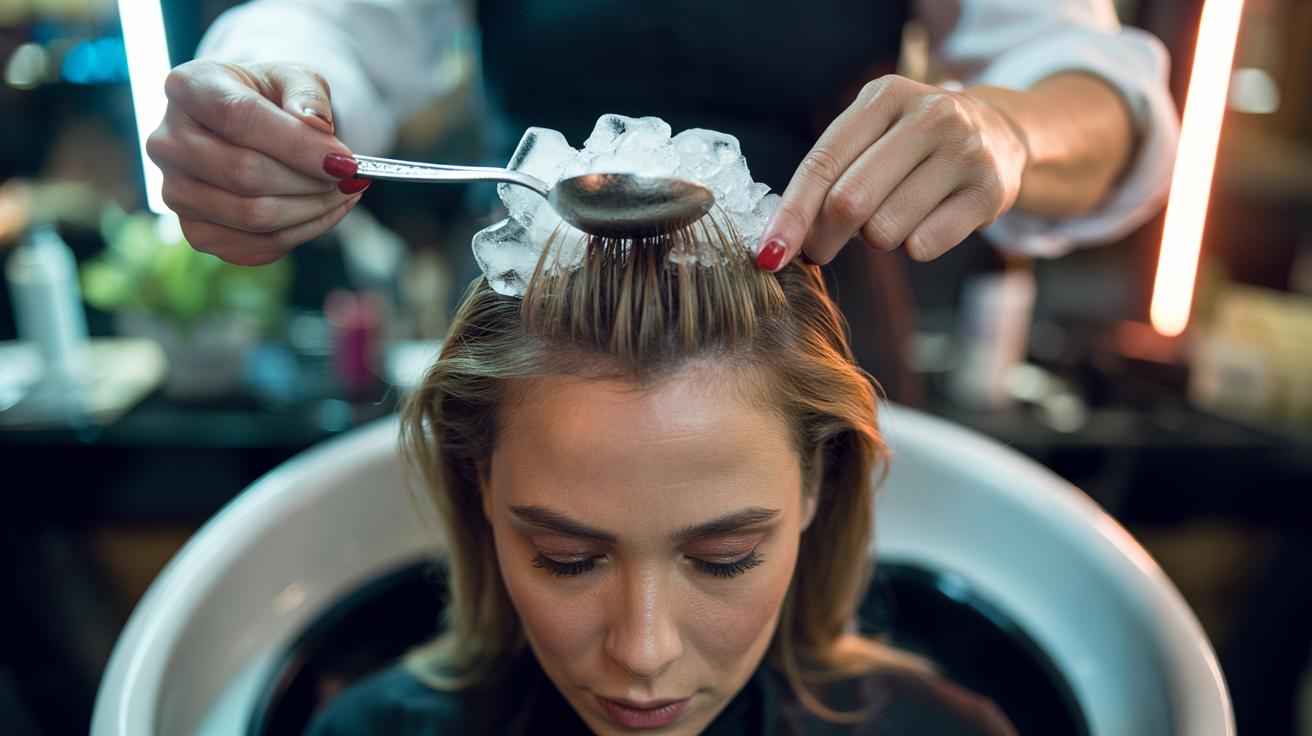
- 🪄 How-to: chill a spoon, lift a small section, press the back of the spoon to roots for 30 seconds, then re-chill and repeat at the crown, parting, and hairline.
- ⚖️ When to use it: ideal for day-two hair and flat patches; compare with mousse, root powders, and backcombing depending on speed, hold, and texture.
- 🌿 Benefits and tips: product-free, minimal risk; add a brief cool-dryer blast for longevity and keep pressure light to protect delicate or color-treated hair.
Forget the teasing comb and the tower of cans. UK hairdressers are quietly admitting a kitchen-drawer hack is their not-so-secret weapon: a 30-second cold spoon pressed at the roots that gives a crisp lift and airy bounce. The method sounds cheeky, almost too simple, yet stylists say it delivers instant volume when time is tight and hair has gone flat. Think of it as a cool-shot for the scalp, surgically precise and product-free. No sticky residue, no helmet head. Just a quick reset that makes a blow-dry look fresh again, even on day two. Here’s why it works, how to do it, and when to choose it over traditional volumisers.
The Science Behind the Cold Spoon Trick
Hair shape is governed by temporary hydrogen bonds that loosen with warmth and set again as strands cool. That’s why a hairdryer’s cool shot locks in a curl. The cold spoon acts in miniature: the chilled metal rapidly cools the root area while physically nudging hair up and away from the scalp. Rapid cooling encourages those bonds to “freeze” in a lifted position, giving believable root height without stiffness. The spoon’s convex surface also distributes pressure smoothly, avoiding a hard crease you might get from clips.
There’s another bonus. Sebum near the scalp can make roots collapse by adding weight and reducing friction between fibres. Cold temperatures slightly thicken that oil, making it feel less slippery for a short window. Paired with gentle root tension from the spoon, the outcome is a soft, clean-looking lift. Session stylists describe it as a “cold roller” effect: targeted, fast, and reliable. It won’t replace a full-volume blowout, of course, but on limp patches—cowlicks, partings, the crown—it’s impressively effective.
Crucially, it works in half a minute because it leverages the same physics you already use with your dryer—only tidier and right at the root where it matters most.
How to Do It: A Stylist’s Step-by-Step
Pop a clean teaspoon in a mug of ice water for a minute or two, or stash one in the freezer while you cleanse your face. Start with hair that’s dry or nearly dry; damp roots can slump as they finish drying. Now locate the flat zone—usually at the crown or along a heavy side part. Slip a finger beneath that section and gently lift, creating a slight tent so the hairs are angled up before you bring in the tool.
Press the back of the chilled spoon gently against the roots, not the lengths. Hold for around 30 seconds. Keep the pressure light—enough to support lift, not enough to squash the base. If the spoon warms, dunk and repeat. Work in small zones: front hairline, crown, then the parting, re-chilling as needed. For added longevity, hit the lifted roots with a brief cool blast from the dryer while still elevated by your fingers.
Finish by raking through with your hands to loosen the structure so it reads modern, not set. For oil-prone scalps, dust the tiniest amount of translucent root powder underneath the top layer to keep separation clean. Colour-treated or fragile hair? Keep movements gentle and avoid tugging; the spoon should glide. The result is touchable height that looks like hair, not product.
Cold Spoon vs products: When to Use Which
Stylists love the spoon for speed and purity—no residue, no build-up, no stick. But every technique has a moment. Use the matrix below to decide what your morning needs most.
| Method | Speed | Hold | Texture/Feel | Best For | Risks |
|---|---|---|---|---|---|
| Cold Spoon | 30–90 seconds | Light–medium | Clean, product-free | Flat patches, day-two hair | Minimal; avoid excessive pressure |
| Volumising Mousse | Medium | Medium–strong | Can feel tacky if overused | Fresh blow-dries, fine hair | Build-up with daily use |
| Root Powder/Spray | Fast | Medium | Matte, grippy | Slippery roots, humid days | Visible residue on dark hair |
| Backcombing | Fast | Strong | Textured, structured | Updos, high-drama lift | Cuticle roughness, breakage |
If you want believable, everyday height with zero stickiness, the chilled spoon wins. For long events or editorial volume, layer: create lift with the spoon, then mist a flexible-hold spray into the air and waft hair through it. That way you lock in architecture without a crispy shell. On curls, use the spoon at the root only and avoid touching the curl pattern on the mid-lengths, preserving definition while raising the base.
In an era of maximal products and minimal time, the cold spoon is delightfully subversive. It’s cheap, quick, and quietly effective—no drama, all payoff. Hairdressers swear by it for last-minute shoots and office-to-evening switch-ups when volume must look natural. The trick won’t replace a full styling routine, but it will lift your baseline, fast. Pop a spoon in the freezer tonight and test the crown tomorrow morning. If thirty seconds could revive your roots without a single spritz, would you make space for this frosty little ritual in your daily routine?
Did you like it?4.4/5 (30)